
Cap Torque Testing Blog
Practical articles on cap torque testing with the NLY-20A: how to set removal and application torque limits, validate the tester, and test closures in pharma, beverage, cosmetic and industrial packaging.
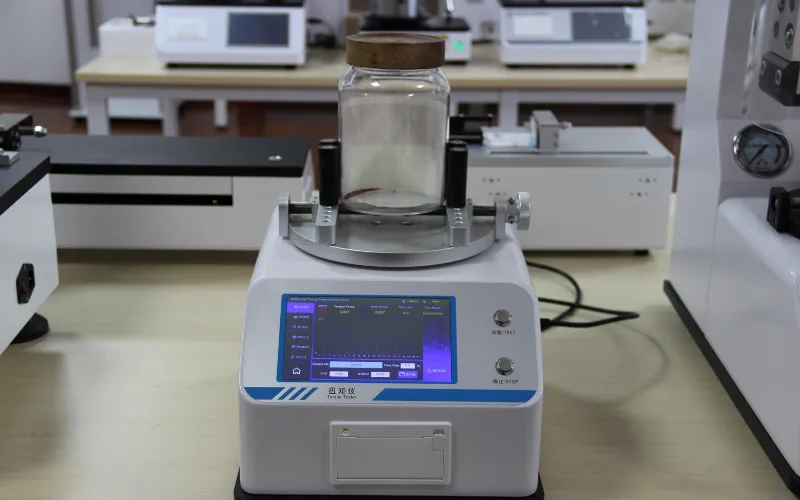
Features:
New technical articles: method, validation and supplier checks
Industry application pages: pharma, beverage, cosmetics, industrial
Written by KHT application staff for QC labs
ASTM D2063 and ASTM D3198 in plain terms
This blog collects everything we publish on cap torque testing. The newest technical articles are listed first: how to choose and qualify a torque tester, how to validate it in a GMP lab, and how closure torque behaves after induction sealing, retort or HPP. Below them are our industry application pages, which explain what torque values matter for each type of container.
For the full article library, see the Knowledge Hub. For industry-by-industry guidance, see Industry Applications. Questions about your own bottles and caps can go straight to our application team.
Latest cap torque testing articles
- Send Photos and Measurements First to Confirm a Torque Tester FitSend pack photos and two key dimensions so we can review a cap torque tester. This initial screen is not a final confirmation of fit.
- SPC for Cap Torque Control Limits on the LineSet cap torque control limits with an X-bar and R chart: the 3-sigma formulas, A2, D3 and D4 from ASTM E2587 Table 1, and how to read the signals.
- Reading Removal Torque on Tamper-Evident Lubricant CapsTamper-evident caps on motor oil and lubricant bottles show two torque peaks. How to tell slip torque from bridge torque and report both of them.
- Using Cap Torque Audits to Find a Bad Capping HeadHow to run a head-by-head cap torque audit on edible oil and ketchup lines, read the results by capping head, and spot the head that is out of setting.
- Testing Dairy Cap Opening Torque Straight from the FridgeWhy dairy cap opening torque should be tested on chilled bottles, how to condition and sample them, and how ISO 17480 frames ease of opening for users.
- Torque Retention Testing for HDPE Jerry Can ClosuresHow to run a torque retention study on HDPE jerry can closures: set the application torque, store at set conditions, and track removal torque over time.
Industry application pages

Ultimate Guide to Cap Torque Testing
A comprehensive look at opening vs. locking force, standards compliance, and how to use the NLY-20A.
Learn More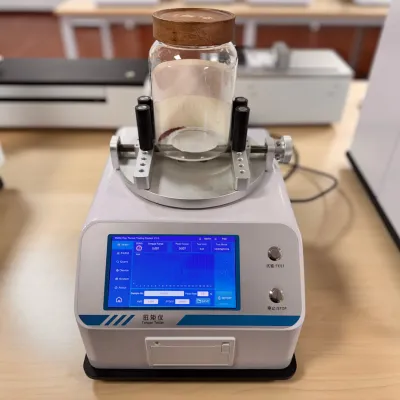
Industrial & Vacuum Flasks
Heavy-duty torque testing for thermos cups, insulation pots, and industrial nut/bolt assemblies.
Learn More
Cosmetic & Soft Tube Packaging
Test the torque of nozzle packages and soft tubes, such as hand creams and toothpaste.
Learn More
Pharmaceutical Packaging Safety
Ensure drug safety and compliance with rigorous torque testing for medicine bottles and child-resistant caps.
Learn MoreReady to Upgrade Your Quality Control?
Act Now
Get the factory-direct precision you need. Contact us for a quote and technical consultation.
© 2026 KHT NLY-20A Torque Tester | All rights reserved.